Belgrade is a city shaped by different cultures, religions, and empires. Among its many historical landmarks, the mosque in Belgrade, known as Bajrakli Mosque, holds a special place as a symbol of Islamic heritage in Serbia’s capital. Its history reflects centuries of coexistence, change, and resilience.
Origins of Mosques in Belgrade
During the Ottoman period, Belgrade was an important administrative and cultural center. From the 16th to the 18th century, the city had dozens of mosques, prayer houses, and Islamic schools. These mosques served not only as places of worship but also as community centers that shaped daily life.
Over time, wars and political changes led to the disappearance of most of these buildings. Today, Bajrakli Mosque remains the only preserved mosque in Belgrade, standing as a reminder of the city’s multicultural past.
Bajrakli Mosque – The Last Standing Mosque in Belgrade
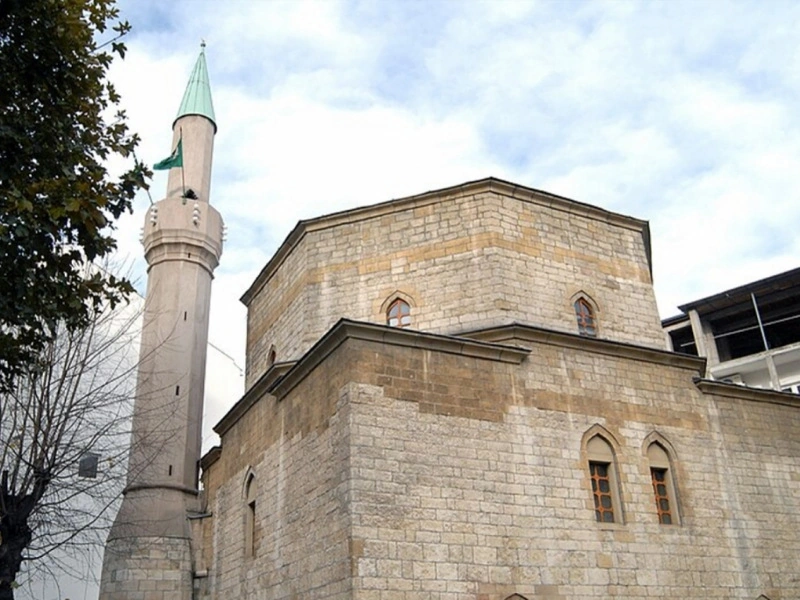
The Bajrakli Mosque was built in the second half of the 16th century, during Ottoman rule. Its name comes from the word bajrak (flag), which was raised to signal prayer times for the Muslim population of the city.
Architecturally, the mosque reflects classical Ottoman design, with a simple exterior, a single minaret, and a peaceful interior space focused on prayer and reflection. Unlike monumental mosques in larger imperial cities, Bajrakli Mosque was built to serve the local community, giving it a modest and welcoming character.
A Witness to Turbulent History
Throughout its existence, the mosque has survived wars, regime changes, and periods of neglect. During the 19th century, as Belgrade became part of the modern Serbian state, many Islamic buildings were demolished, but Bajrakli Mosque was preserved due to its historical value.
In the 20th century, the mosque faced damage during conflicts but was later restored. Today, it is protected as a cultural and historical monument, recognized for its importance beyond religious boundaries.
The Mosque Today
Today, Bajrakli Mosque continues to serve as an active place of worship for the Muslim community in Belgrade. It is also open to visitors who wish to learn more about Islamic culture and the city’s layered history.
Located in the Dorćol area, one of Belgrade’s oldest neighborhoods, the mosque fits naturally into a district known for diversity and tradition. Its presence highlights Belgrade’s long history as a crossroads between East and West.